The global hospitality lighting market enters 2026 with rare momentum — valued between USD 7.6B and USD 15B, growing 6–8% a year. Behind the number: hotels now compete on experience, and light is their most expressive tool.
A Market Growing on Two Engines
Two forces are compounding. The first is new construction. Future Market Report values the sector at USD 14.5 billion in 2025, projecting USD 28.5 billion by 2033 at an 8.2% CAGR — led by North America (33.7% share) and a fast-rising Asia-Pacific pipeline. MarkWide puts 2026 at USD 8.7 billion, reaching USD 15.7 billion by 2035 (6.8% CAGR). The second engine is retrofit: the EU Green Deal's renovation wave and tighter efficiency codes are forcing older properties to replace legacy halogen and fluorescent installations with LED and connected systems. For suppliers, that means a steady, regulation-backed replacement cycle rather than a one-off boom.
What Buyers Actually Specify in 2026
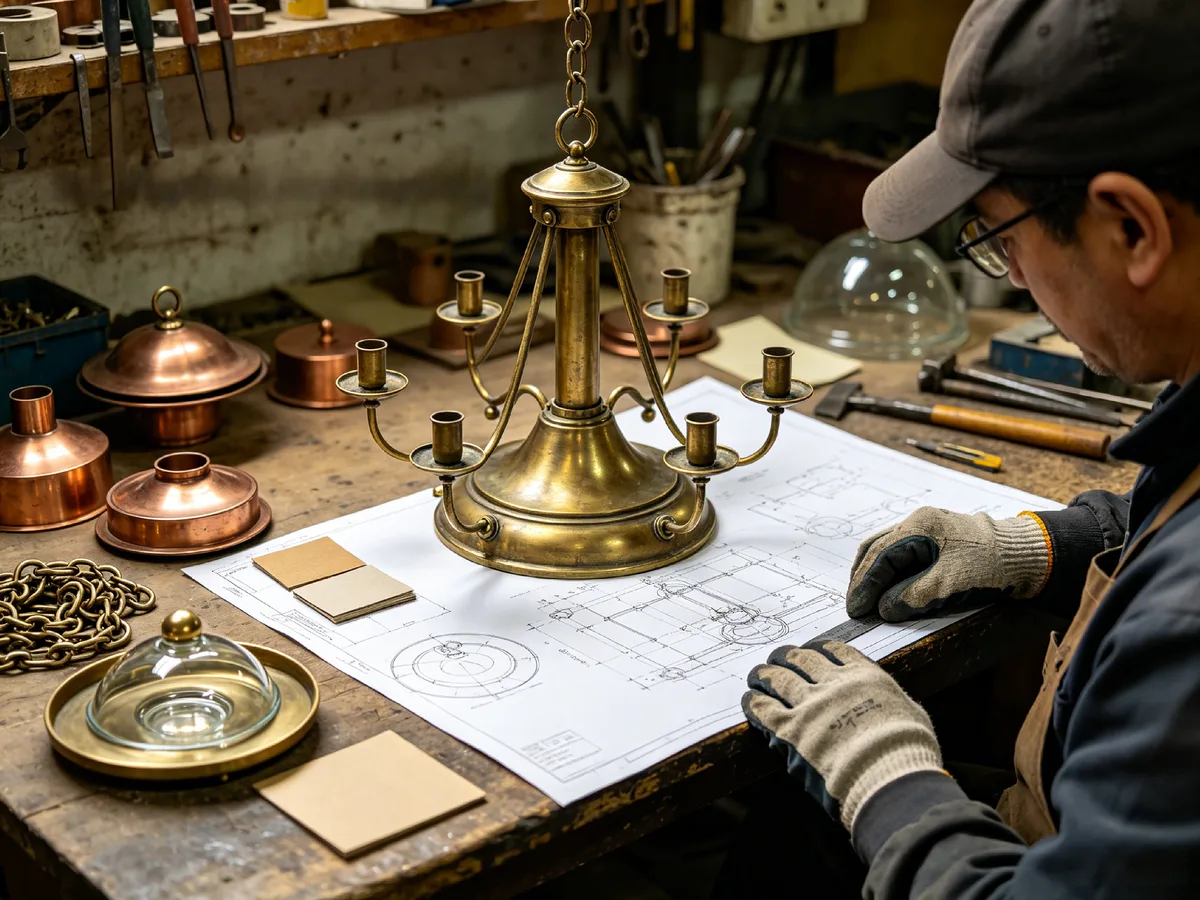
The specification mix has shifted decisively. LED now accounts for roughly 57% of hospitality lighting value, and tunable-white and circadian-optimized variants are the fastest-growing slice. Human-centric lighting — programming that follows the body's natural rhythm — has moved from boutique novelty to a differentiator in premium lobbies and guest rooms. Smart controls (DALI, BACnet, occupancy sensing) are becoming default on new builds, unifying lighting with the building's data network. Sustainability credentials — FSC wood, recyclable metals, low-impact finishes — are now part of the RFP, not the appendix. Documentation is the through-line: it is what a contract-grade hospitality lighting package has to carry before a fixture is approved.
Why Bespoke Outperforms Commodity Spec
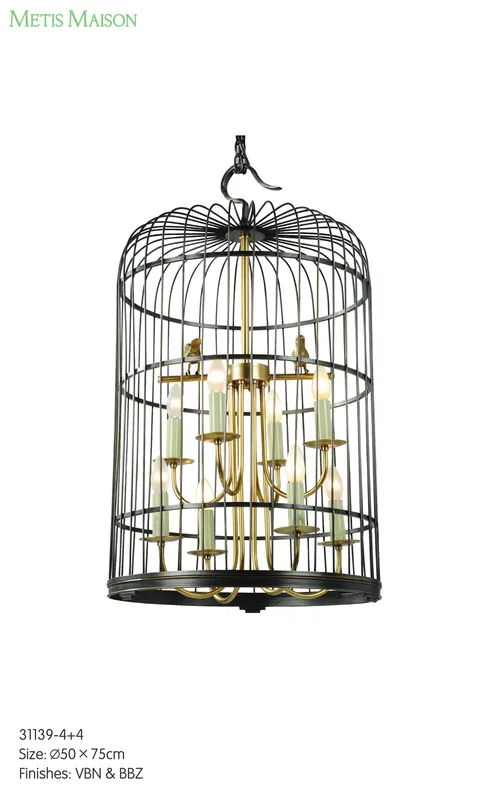
In an experience economy, a chandelier is not a line item; it is a brand statement. Commodity catalog fixtures cannot carry a property's identity, match an existing finish across 800 rooms, or arrive coordinated with an opening date. Bespoke manufacturing closes that gap: it lets a single sketch become a few-hundred-kilogram, safety-rated centrepiece, fully documented and pre-tested before it leaves the workshop. For operators, the practical wins are MOQ from one piece, finish continuity across phases, on-site coordination, and managed replacement parts — exactly the things that protect a launch date. The same scrutiny belongs on the metal: in a catalogue photograph a solid brass chandelier and a brass-plated one look identical, and only one of them survives twenty years of housekeeping.
The Metis Maison Solution
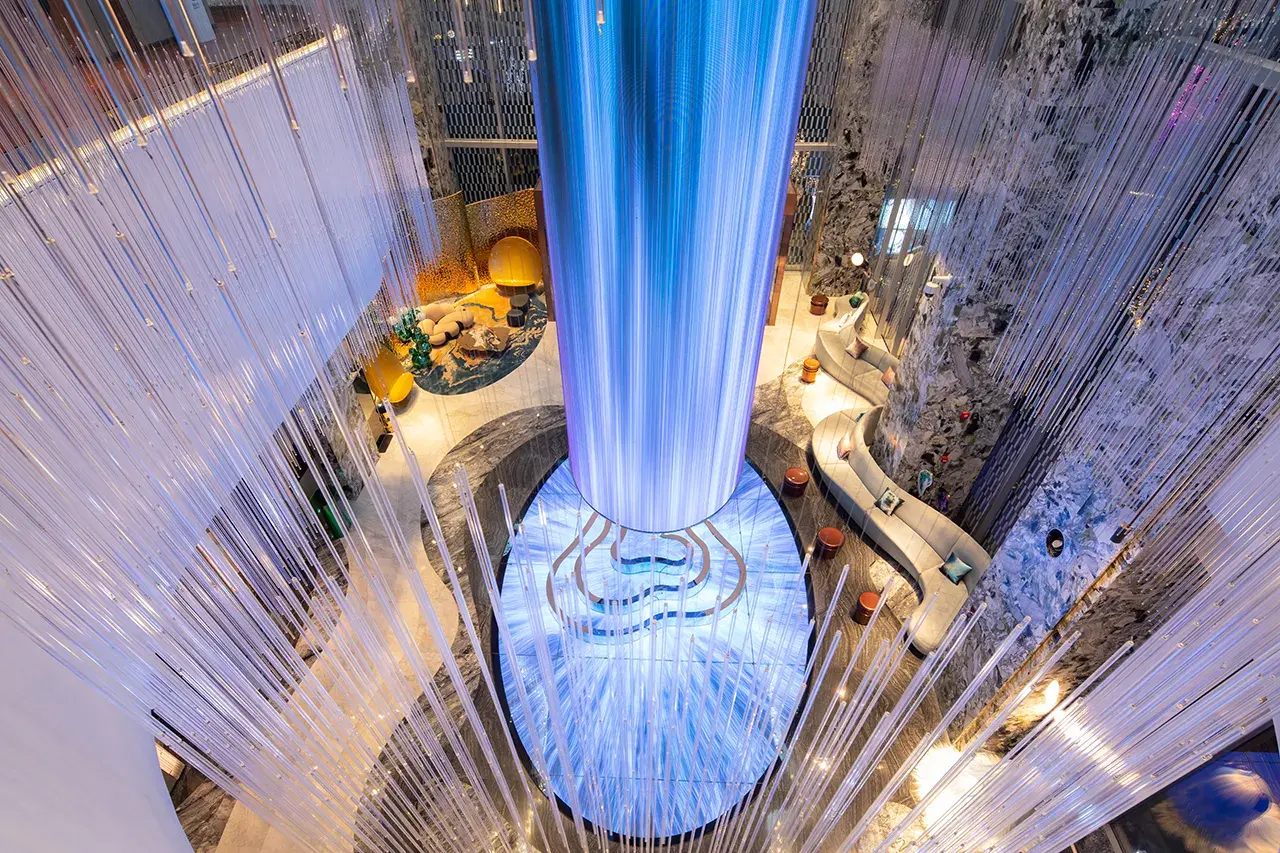
Metis Maison is a bespoke lighting atelier in Guzhen, Zhongshan, founded in 2012. We own the full chain — design and engineering, metal fabrication, crystal and glass, wood finishing, electrical assembly, and quality control — across a 3,800 sqm facility. Our fixtures are built to UL 153/1598, ETL, CE (EN 60598), RoHS 2.0, FSC and BSCI standards, and we have delivered 50+ hotel projects for 10+ international brands, from Macau's Grand Lisboa to Marriott and Hilton properties across China. We work directly with design teams and owners from moodboard to pre-hang.
Key Takeaways
The 2026 hospitality lighting market rewards suppliers who pair engineering rigour with design identity. For hotel buyers, the lowest-risk path is a manufacturing partner — not a middleman — who can document compliance, coordinate phased delivery, and stand behind replacement parts. As the segment trends toward LED, smart, and human-centric, the differentiator is no longer the bulb; it is the workshop behind it.
Frequently Asked Questions
Estimates range from about USD 7.6 billion to USD 15 billion for 2026, with most analysts forecasting 6%–8% CAGR through the early 2030s, driven by new hotel construction and energy-driven retrofits.
LED dominance (≈57% of value), tunable-white and human-centric/circadian lighting, smart controls (DALI/BACnet/occupancy), and visible sustainability credentials are the defining specification trends.
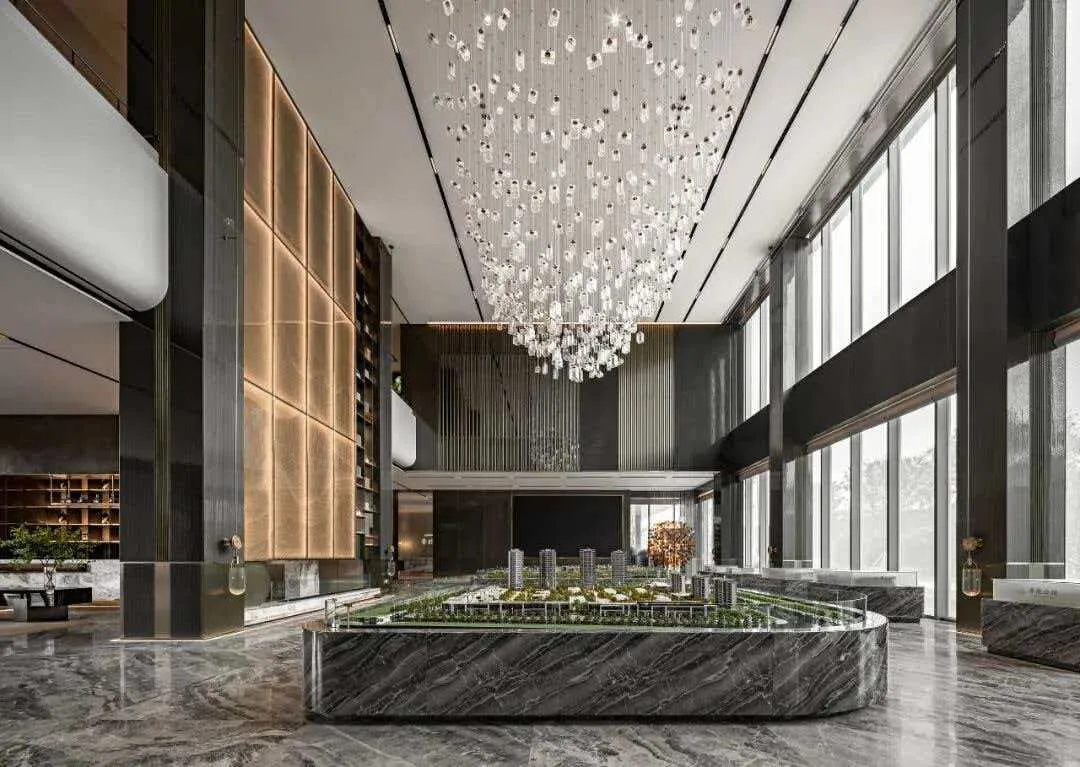
Bespoke lets a property express its identity, match finishes across hundreds of rooms, coordinate with opening dates, and secure managed replacement parts — with full-chain quality control and documented compliance (UL/ETL/CE).